
Protect the right data
Identify critical workloads, retention needs, protected recovery points and ownership of newly added systems.

A backup is a start. A working recovery is the goal.
Start with the work you need to recover. Then design the protection around it.
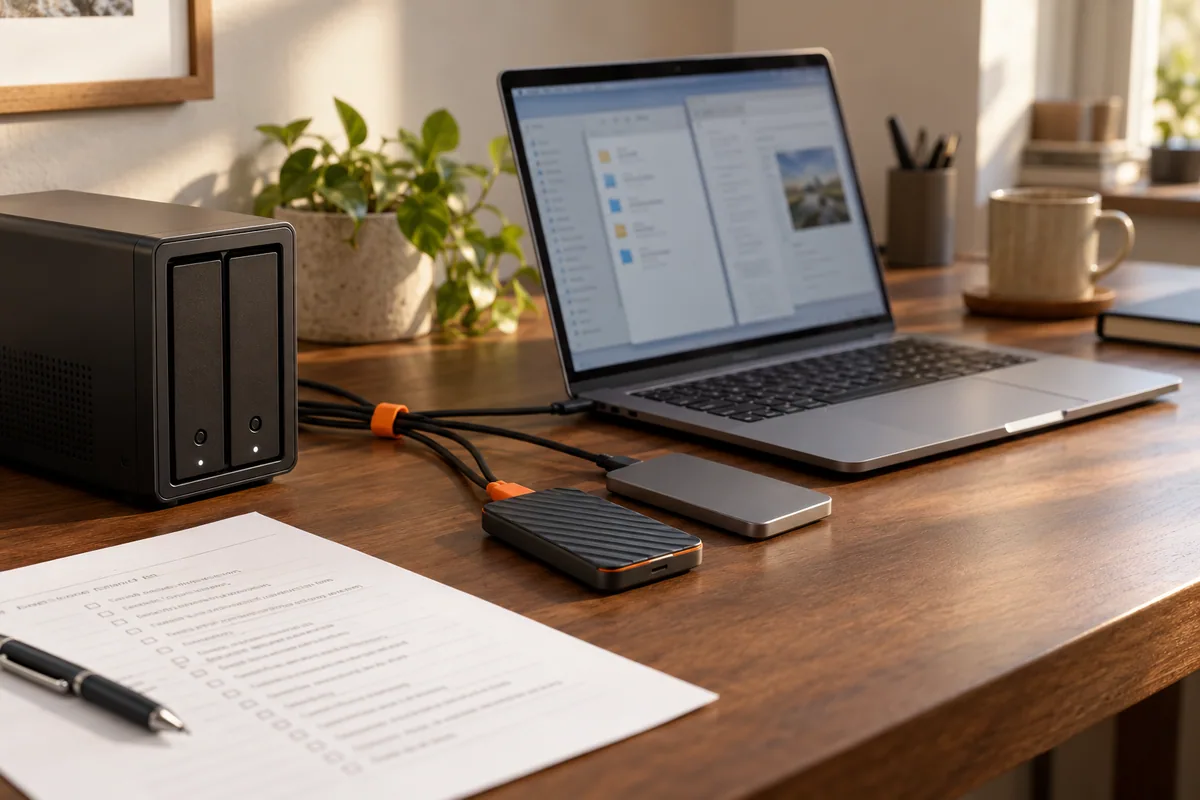
Empire protects selected business data and prepares the steps needed to recover usable systems. We map application dependencies, configure backup and retention, investigate backup failures and run scoped recovery tests. Your team receives recovery instructions and evidence of what was tested.
Meet the people.
Hear the experience.
Inspect the evidence.
For this engagement, we agree the scope and evidence for a workload and dependency map and business-approved rpo and rto targets. Your proposal identifies responsibilities, dependencies and acceptance criteria before work begins.
Agree the priorities, the responsibilities and the evidence of completion before the work begins.
Identify critical workloads, retention needs, protected recovery points and ownership of newly added systems.
Map identity, network, application and supplier dependencies into a usable recovery runbook.
Restore representative workloads and record timing, data integrity and business-owner acceptance.
A restore recovers the database while sign-in, networking or another dependency remains unavailable.
We trace the dependencies, restore them in sequence and ask the application owner to validate a representative business workflow.
What changesA recovery test that checks usable work, with any missing dependencies recorded for correction.
Staff need to recover business files without overwriting newer work or restoring unnecessary information.
We identify the affected data and available recovery points, restore the selected content and validate access with the information owner.
What changesA controlled restoration with a record of the recovery point, checks and any data limitations.
We identify critical workloads, data owners, recovery priorities and the systems each application depends on.
We configure the selected backup services, document retention and exclusions, and build a recovery runbook with authorised contacts.
We restore representative workloads, record elapsed time and data checks, and turn failures or gaps into tracked actions.
Set tolerable downtime and lost work. See the questions a recovery design needs to answer.
Useful results. No form required.We scope the work around your environment and priorities. Our proposal sets out what we deliver, what sits outside the service and who owns each ongoing responsibility.
Compare proposals on the same basisSeparate discovery, implementation, licences and ongoing service. Confirm support hours, third-party dependencies, acceptance criteria and any work quoted separately.
No. A backup is a recoverable copy. Disaster recovery includes the systems, dependencies, access and procedures required to restore a usable service.
No. It shows that a job completed under its conditions. Recovery time and usability need test evidence at the relevant scale.
A blanket guarantee would be misleading. The design, backup frequency, replication, failure scenario and recovery point determine potential loss. Agree objectives and validate them.
Set a cadence based on business impact, system change and contractual needs. Include targeted restores and broader exercises where appropriate. The actual schedule belongs in your approved scope.
Technical guidance used in this page. Product features and obligations depend on the selected scope and current terms.
Bring a question, a brief or a plan that needs a second look. We’ll help define the right starting point.
1300 754 718


 Real people.
Existing client? Get support here.
Active security incident? Call and confirm available assistance.
Tell us who you are. We’ll help you work out the next step.